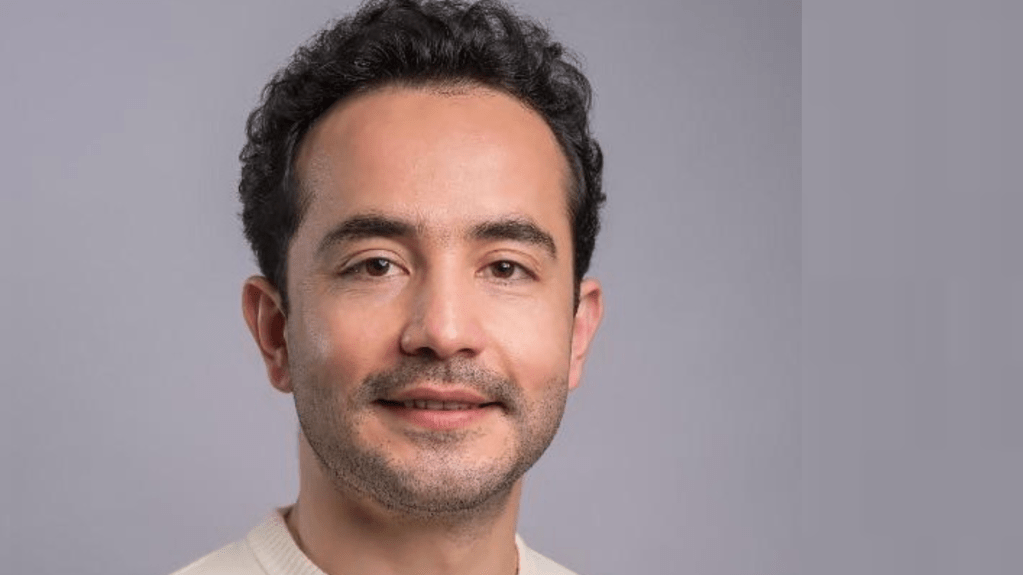
Farzad Salehi, 31, had been studying for his PhD in Business Administration in China, but left the school because of other priorities and returned to his home in Afghanistan. He worked at One TV in Kabul until the takeover of the country by the Taliban. “It is hard to live there anymore, especially for the younger generation. People are feeling isolated. A few of my friends got fired or were under so much pressure that they had to leave their jobs,” explains Farzad about the current situation in the country. Holding a Master’s degree in Public Management and a Bachelor’s degree in Journalism, Farzad is now a podcaster and has started continuing education in Artificial Intelligence and SAP (Systems, Applications and Product in Data Processing) in Germany.
Farzad is passionate about podcasting and considers it essential to his life goals. He aims to help people by sharing his knowledge and that of experts, focusing on topics such as mindset, entrepreneurship, and motivation. He leverages the power of social media to spread his expertise in the Dari language and also plans to deliver content in English and German soon. Farzad believes in the principles of supply and demand and the importance of promoting and disseminating his work. “I can see that there is a demand for what I can offer, but I need to attract more attention than I currently have,” he explains.
Farzad says that there are many opportunities for success in Germany, but to succeed there, he needs to expand his network. In his first days in his new home, Farzad began learning the German language through apps, YouTube, and reading books in the refugee camp where he was relocated. “Although I felt stressed about the status of my refugee application, I managed to stay positive. It took me some time to make friends, but eventually, I met some nice people. Living in a refugee camp was challenging for me, but it also provided an opportunity to learn and grow and to see life from a different perspective.”
He enjoys the discipline of German society and the natural landscapes of Germany. “On weekends, I recharge my batteries by immersing myself in the beautiful nature here, and sometimes I find myself in awe of its beauty,” he says, adding, “there are good and bad people everywhere, so when someone doesn’t treat us the way we expect them to, we shouldn’t take it personally. People carry around their problems, personal issues, and conflicts, and when they encounter others, they may take out their anger on them. It’s not about us; it’s about them. And by ‘them,’ I don’t mean everyone.”
Farzad reflects on his memories of Afghanistan, recalling the beauty of the country, its people, food, and nature. He also acknowledges the challenges he faced in his work experiences in Afghanistan but praises his wonderful colleagues. Addressing his fellow Afghans, “I encourage them to aim for bigger opportunities than working in Shawarma shops, on the streets, or in manual labor. I struggled to change people’s mindsets during my time in the refugee camp, emphasizing the need for a shift in thinking.” Farzad advises others to take advantage of the opportunities in the first three years of their stay in Germany: “set clear goals and communicate effectively with the JobCenter and other social organizations for adequate support,” he says.
“We are capable of both love and hate, but it is better to choose love. We live in a time when everyone desires genuine friendship, pure love, healthy relationships, looking out for one another, and offering help without expecting anything in return. It’s so simple to do this, so why don’t we?”
 Hidden Hero